Ice fishing: safety on the ice and baits
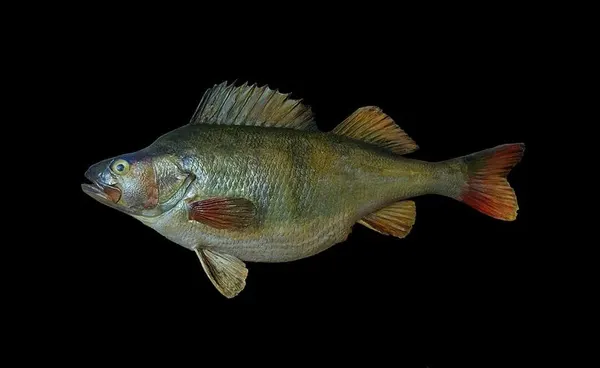
When lakes freeze over, fish are caught through a hole cut in the ice. Rods are short, baits are small, and the fish usually hold in shoals, deep down, where the water is warmer.
Safety comes before everything: no session is worth the risk of ice that's too thin. Only go out on thick, tested ice, and never alone.
Species: Perch · Pike · Bream · Roach
What you need
- Safety: ice picks worn around your neck, a 15-20 m rope, a life jacket, a charged phone in a waterproof pouch and a stick or an ice chisel to test the ice as you go.
- Auger: a 100-150 mm ice auger; a bigger hole isn't necessary and weakens the ice.
- Pole: a 30-70 cm ice rod with a sensitive tip or a bite indicator on the tip.
- Line: 0.08-0.14 mm monofilament or fluorocarbon for silver fish and perch; 0.20-0.25 mm, with a wire trace, for pike.
- Accessories: a skimmer to clear ice from the hole, a stool or a box, layered clothing, and boots with crampons.
Baits
- Mormyshkas (small ice jigs) with a maggot or a bloodworm, for perch, bream and roach.
- Vertical jigging spoons and balance jigs, for perch and pike.
- Deadbait or livebait for pike on a tip-up, where permitted.
- Very fine groundbait, in small amounts, with maggots or bloodworm, lowered to the bottom.
When to fish
- Only when the ice is thick and safe, usually in January and February in cold winters.
- The first weeks after the freeze and the ones before the thaw are usually the best.
- During the day, especially in the morning and the afternoon.
- Watch out: the pike closed season starts at the end of winter (the exact dates are below); during it, pike are not to be fished for, not even through the ice.
Where are you fishing
- Lakes and ponds with still water that freeze evenly; rivers and places with current are rarely safe.
- Holes and their edges, areas 3-8 m deep, the edges of weed beds on the bottom.
- Ice is thinner next to reeds, at stream mouths, over springs on the bottom, under bridges and next to fallen trees: steer clear of these spots.
- Note: in winter (1 January - 15 March and 1 November - 31 December), fishing is banned within 250 m upstream and downstream of bridges with piers in the riverbed, and within 250 m upstream of reservoir dams.
Step by step
- 1
Test the ice. Clear, solid ice at least 10 cm thick will, as a rule, hold one person; white ice with bubbles, or ice that has thawed and refrozen, is much weaker. Measure the thickness at the first hole and then every so often.
- 2
Don't go alone. Go out on the ice with at least one companion, keep your distance from each other, and tell someone on the bank where you are.
- 3
Drill the holes. Drill 3-5 holes a few metres apart, at different depths, and skim out the broken ice.
- 4
Find the fish. Lower the bait to the bottom, then lift it a few centimetres; if you get no bites in 10-15 minutes, move to another hole.
- 5
Work the bait. Work the mormyshka with small, fast twitches of the tip, with pauses; lift the jigging spoon 20-40 cm and let it fall freely, and the take usually comes on the drop.
- 6
Strike short. With perch and silver fish, the bite is the indicator stopping or lifting: strike with a short flick of the wrist.
- 7
If the ice gives way. Don't panic: turn back towards the direction you came from, dig the ice picks into the ice, pull yourself up on your stomach and roll away from the hole; don't stand up until you're on safe ice.
Common mistakes
- Going out on the first, thin ice after a few nights of frost.
- Fishing alone, without ice picks or a rope.
- Holes that are too big or too many in the same place, which weaken the ice.
- Leaving holes unmarked when you leave: a person or an animal can step into them once they freeze over thinly.
- Large groups gathered in one spot on the ice.
- Too long at one hole with no bites.
Rules on natural waters
Perch
Minimum size: 12 cm
Species closed season: 20 March - 7 June
Pike
Minimum size: 40 cm
Species closed season: 1 February - 20 March (Danube Delta: 1 February - 7 June)
Bream
Minimum size: 25 cm
Species closed season: none, only the general closed season
Roach
Minimum size: no legal minimum size
Species closed season: none, only the general closed season
General closed season: 9 April - 7 June (the periods differ on border waters and in the Danube Delta)
Daily limit: At most 5 kg of fish per day, or a single fish if it's over 5 kg.
The rules above are for natural waters (rivers, lakes, the Danube), where you also need a permit. On a private lake the lake's rules apply: many are catch & release or have their own limits.
For information only, not guaranteed legal advice. There are many local exceptions (Danube Delta, border waters, catch-and-release sections) not covered here. Always check the official ANADSPA (formerly ANPA) source before fishing.
Frequently asked questions
How thick does the ice have to be?
Clear, solid ice at least 10 cm thick will, as a rule, hold one person. White ice with bubbles, ice next to reeds, at stream mouths and on rivers is much weaker: don't rely on thickness there.
What fish can you catch through the ice?
Most often perch, bream, roach, rudd and pike, outside its closed season. On private lakes, the lake's rules decide whether ice fishing is allowed.
Do I need a permit for ice fishing?
Yes, on natural waters you need your usual permit, as for the rest of the year; minimum sizes, closed seasons and no-fishing zones stay the same.
What is the minimum size for perch, and when is the closed season?
In natural waters, the legal minimum size is 12 cm; smaller fish must be released. It has its own closed season: 20 March - 7 June. The general closed season also applies on natural waters: 9 April - 7 June.
Step-by-step guides
- Groundbait and recipes: Prussian carp groundbait for cold water (winter / early spring)
- Fishing knots: Palomar
- Releasing fish properly: Zander and perch brought up from deep water
Fishing for perch by county
Find where to fish in the RoFish app
The map of fishing lakes and public waters across the country, the species filter, the rules of every spot and “Am I allowed to fish?” for the day you pick are in the RoFish app, on your phone.
Other fishing techniques
- Feeder fishing
- Spinning for pike
- Perch on the micro-jig
- Prussian carp on the float
- Bream on the feeder
- Fishing from a boat
- Homemade groundbait
- Pike on fish baits
- Perch on the drop shot
- Carp on the method feeder
- Carp on boilies
- Zander on the jig
- Trout on spinners
- Wels catfish with the clonk
- Spinning for chub
- Asp on crankbaits
- Barbel on the feeder
- Tench on the float
- Fly fishing
- Catfish from the bank